
Bakuchiol vs Retinol: Why This Natural Alternative Is Better for Sensitive Skin
Bakuchiol vs Retinol: Why This Natural Alternative Is Better for Sensitive Skin
If you have been paying attention to skincare conversations over the last few years, you have heard about retinol. It is widely considered the gold standard of anti-aging ingredients — clinically proven to increase cell turnover, stimulate collagen production, and fade hyperpigmentation.
There is just one problem. For a significant portion of women — particularly those with sensitive, oily, or acne-prone skin — retinol causes more problems than it solves. Redness, peeling, purging, increased sensitivity to sunlight, and a frustrating adjustment period that can last weeks.
Enter bakuchiol. A plant-derived ingredient that delivers comparable results to retinol through a completely different mechanism — without the irritation, without the purging, and without the need to avoid sunlight.
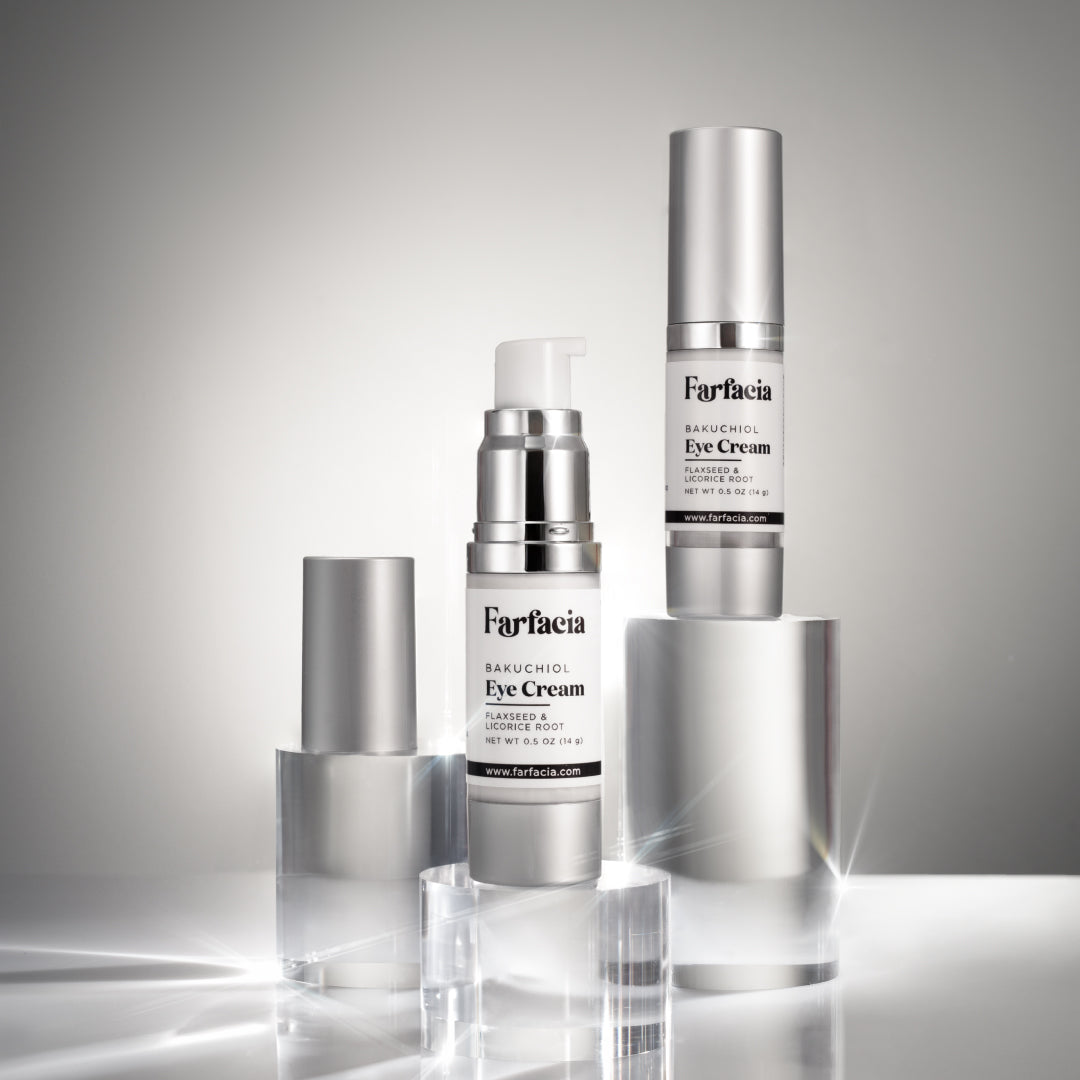
At Farfacia, our Bakuchiol Eye Cream with Flaxseed and Licorice Root brings this ingredient to one of the most delicate areas of the face — where retinol is often too harsh to use at all.
Here is what the science actually shows.
What Is Retinol and Why Does It Cause Irritation?
Retinol is a derivative of Vitamin A. When applied to skin, it converts to retinoic acid — the active form that binds to retinoid receptors in skin cells and triggers accelerated cell turnover and collagen synthesis.
The results are well-documented and impressive. But the irritation is equally well-documented.
Retinol causes irritation through two primary mechanisms:
1. Aggressive acceleration of cell turnover Retinol forces skin cells to turn over faster than they naturally would. This is what produces results — but it also temporarily compromises the skin barrier, leading to redness, flaking, and sensitivity.
2. Retinoid dermatitis Many people experience a condition called retinoid dermatitis during the adjustment period — characterized by dryness, peeling, burning, and increased sensitivity. This can last anywhere from two to eight weeks.
For women with already-sensitive or reactive skin, this adjustment period is often intolerable. Many abandon retinol entirely before seeing any benefit.
What Is Bakuchiol?
Bakuchiol is a meroterpene compound extracted from the seeds and leaves of the Psoralea corylifolia plant — also known as babchi, a plant used in Ayurvedic and traditional Chinese medicine for centuries.
Modern research has revealed why: bakuchiol activates many of the same retinoid receptors in skin cells that retinoic acid does — but through a different molecular pathway that does not trigger the inflammatory response associated with retinol.
A landmark 2018 study published in the British Journal of Dermatology compared bakuchiol and retinol directly in a randomized, double-blind clinical trial. The results were striking: bakuchiol produced comparable improvements in fine lines, wrinkles, pigmentation, elasticity, and firmness — with significantly less irritation, scaling, and stinging than retinol.
Bakuchiol vs Retinol — Direct Comparison
Mechanism of action
- Retinol: Converts to retinoic acid, binds retinoid receptors, accelerates cell turnover aggressively
- Bakuchiol: Activates retinoid receptors through a different pathway, stimulates collagen more gently
Irritation profile
- Retinol: High — retinoid dermatitis common, especially in first 4–8 weeks
- Bakuchiol: Low — well tolerated even by sensitive skin, no purging period reported
Sun sensitivity
- Retinol: Increases photosensitivity significantly — evening use only recommended
- Bakuchiol: No increased photosensitivity — can be used morning or evening
Use around the eye area
- Retinol: Generally not recommended around eyes — skin too delicate and thin
- Bakuchiol: Safe for eye area — this is why Farfacia formulated it specifically into our eye cream
Pregnancy safety
- Retinol: Not recommended during pregnancy
- Bakuchiol: Generally considered safe — always consult your doctor
Speed of results
- Retinol: 4–12 weeks for visible results after adjustment period
- Bakuchiol: 4–8 weeks for visible results with no adjustment period required
Why the Eye Area Specifically
The skin around the eyes is the thinnest on the entire face — approximately 0.5mm compared to 2mm elsewhere. It has fewer sebaceous glands, less collagen, and significantly less structural support than the rest of the face.
This is why the eye area shows signs of aging first — fine lines, dark circles, puffiness, and loss of firmness appear here before anywhere else.
It is also why retinol is generally considered too aggressive for eye area use. The thin, delicate skin reacts more strongly to the irritation retinol causes, making it impractical for most people.
Bakuchiol's gentler mechanism makes it ideal for exactly this purpose. Combined with the supporting ingredients in the Farfacia formula — flaxseed oil for deep hydration and essential fatty acids, and licorice root extract for brightening and reducing the appearance of dark circles — it delivers a comprehensive eye treatment that retinol simply cannot match in this area.
How to Use the Farfacia Bakuchiol Eye Cream
Morning and evening application:
- After cleansing and toning, take a small amount — about the size of a grain of rice per eye
- Using your ring finger — which applies the least pressure — gently pat the cream along the orbital bone, starting from the inner corner and moving outward
- Do not rub or drag the skin
- Allow to absorb for 60 seconds before applying the rest of your routine
- Follow with your serum and moisturizer
Morning routine tip: Unlike retinol eye creams, the Farfacia Bakuchiol Eye Cream can be used in the morning without increasing sun sensitivity. Apply before your SPF.
Evening routine tip: Apply as the first targeted treatment after toning, before heavier creams or oils.
What Results to Expect
Weeks 1–2: Skin around the eye area feels more hydrated and supple. Puffiness begins to reduce with consistent morning application.
Weeks 3–4: Fine lines appear softer. Dark circles begin to lighten as licorice root brightening action takes effect.
Weeks 6–8: Visible improvement in firmness and elasticity around the eye area. Crow's feet appear reduced. Overall eye area looks more rested and youthful.
Months 3+: Continued collagen stimulation produces cumulative improvements in skin texture and firmness that compound over time.
Who Should Use Bakuchiol Instead of Retinol
The Farfacia Bakuchiol Eye Cream is the right choice if:
- You have sensitive skin that has reacted badly to retinol in the past
- You want anti-aging results without an adjustment period
- You want to treat the eye area specifically — where retinol is too harsh
- You have oily or acne-prone skin and want to avoid the purging that retinol can trigger
- You prefer clean, plant-derived ingredients over synthetic vitamin A derivatives
- You are pregnant or breastfeeding and need a retinol alternative — consult your doctor first
Pairing Bakuchiol with the Rest of Your Farfacia Routine
Bakuchiol works synergistically with the other Farfacia actives:
With Niacinamide + Zinc Serum: Niacinamide strengthens the skin barrier while bakuchiol stimulates collagen — barrier support and structural renewal working simultaneously.
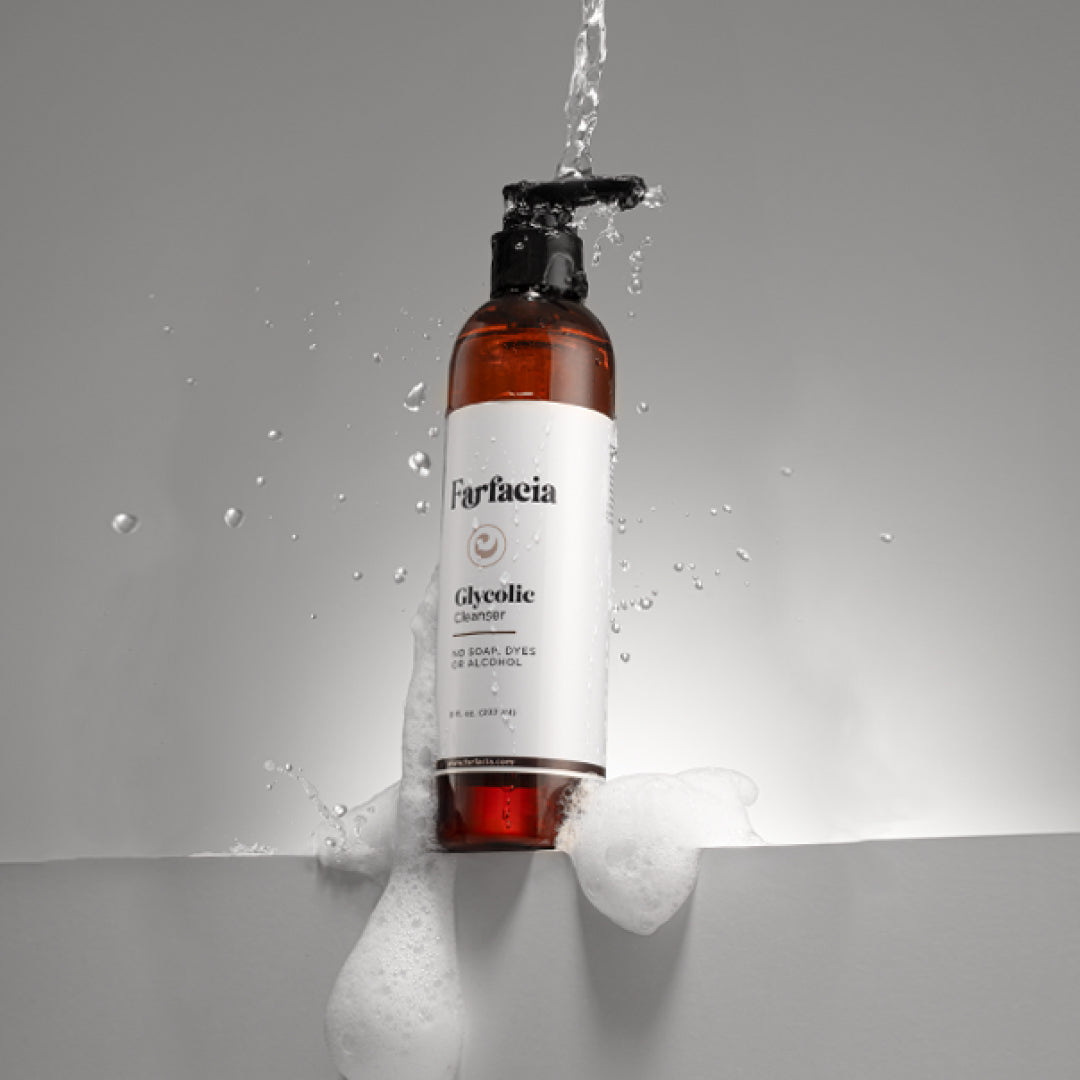
With Glycolic Cleanser: Exfoliated skin absorbs bakuchiol more effectively. Use the Glycolic Cleanser as your first step, then apply the eye cream after toning.
With Vitamin C Serum: Vitamin C and bakuchiol both address hyperpigmentation through different mechanisms — Vitamin C inhibits melanin production while bakuchiol promotes cell turnover. Together they produce faster, more comprehensive brightening results.
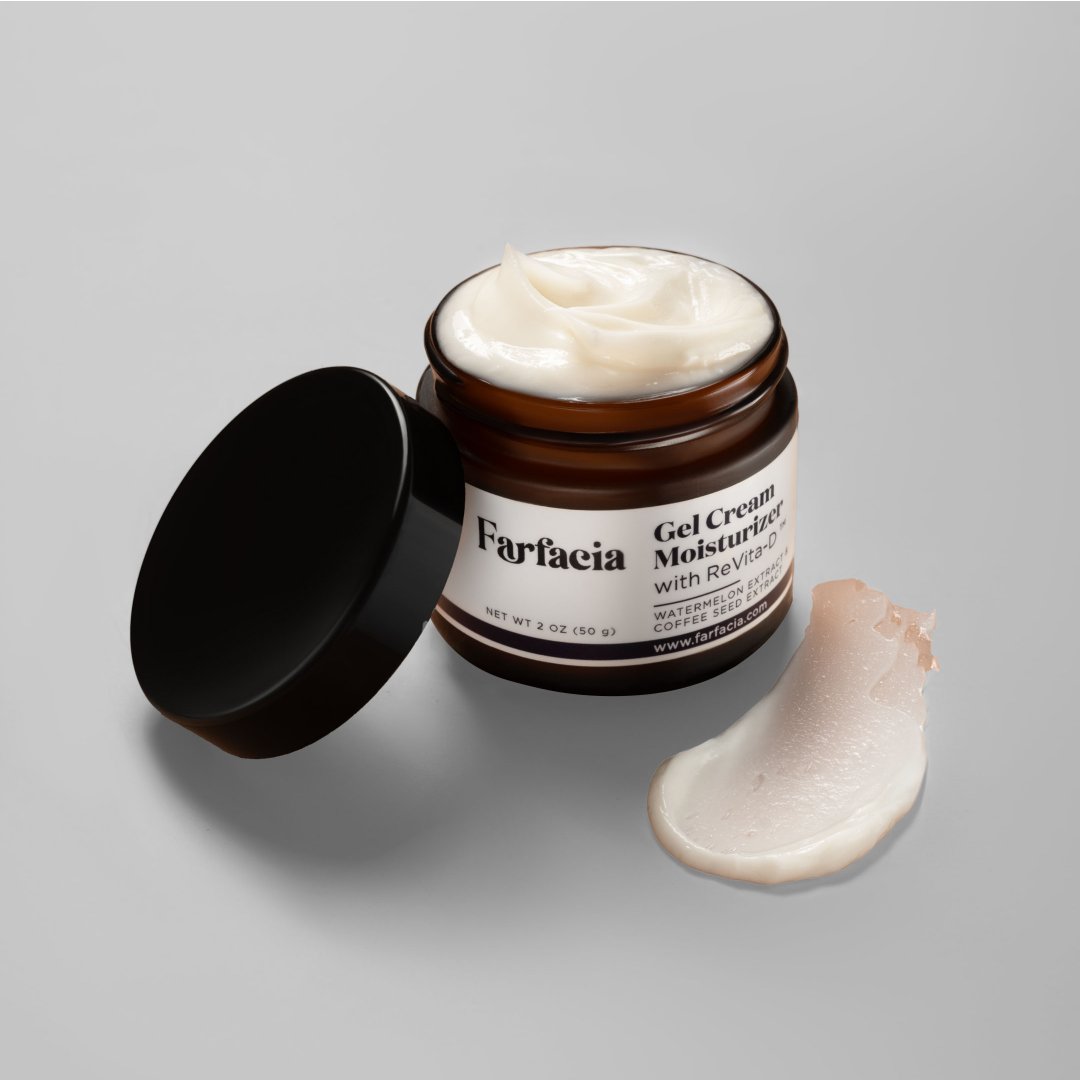
With Gel Cream Moisturizer: Apply the Gel Cream Moisturizer after the eye cream as your final hydration step before SPF.
The Farfacia Formulation Standard
The Farfacia Bakuchiol Eye Cream was not formulated because bakuchiol is trending. It was formulated because the clinical evidence supports it as the most effective and tolerable option for the eye area — and because a pharmacist who understands both the chemistry and the clinical literature made that call.
Every ingredient in the formula earns its place. Bakuchiol for retinoid-like collagen stimulation. Flaxseed for essential fatty acid delivery and deep hydration. Licorice root for brightening and dark circle reduction. Nothing in the formula is there for marketing purposes.
That is the Farfacia standard.
Related Posts
