
How to Use Glycolic Acid Cleanser Without Irritating Your Skin
How to Use Glycolic Acid Cleanser Without Irritating Your Skin
Glycolic acid is one of the most effective exfoliating ingredients in skincare. It resurfaces the skin, unclogs pores, fades dark spots, and delivers a level of smoothness that physical scrubs simply cannot achieve. But it also has a reputation for causing irritation — redness, stinging, peeling — that puts many people off.
Here is the truth: glycolic acid does not cause irritation. Incorrect use of glycolic acid causes irritation. There is a significant difference, and understanding it will completely change how your skin responds.
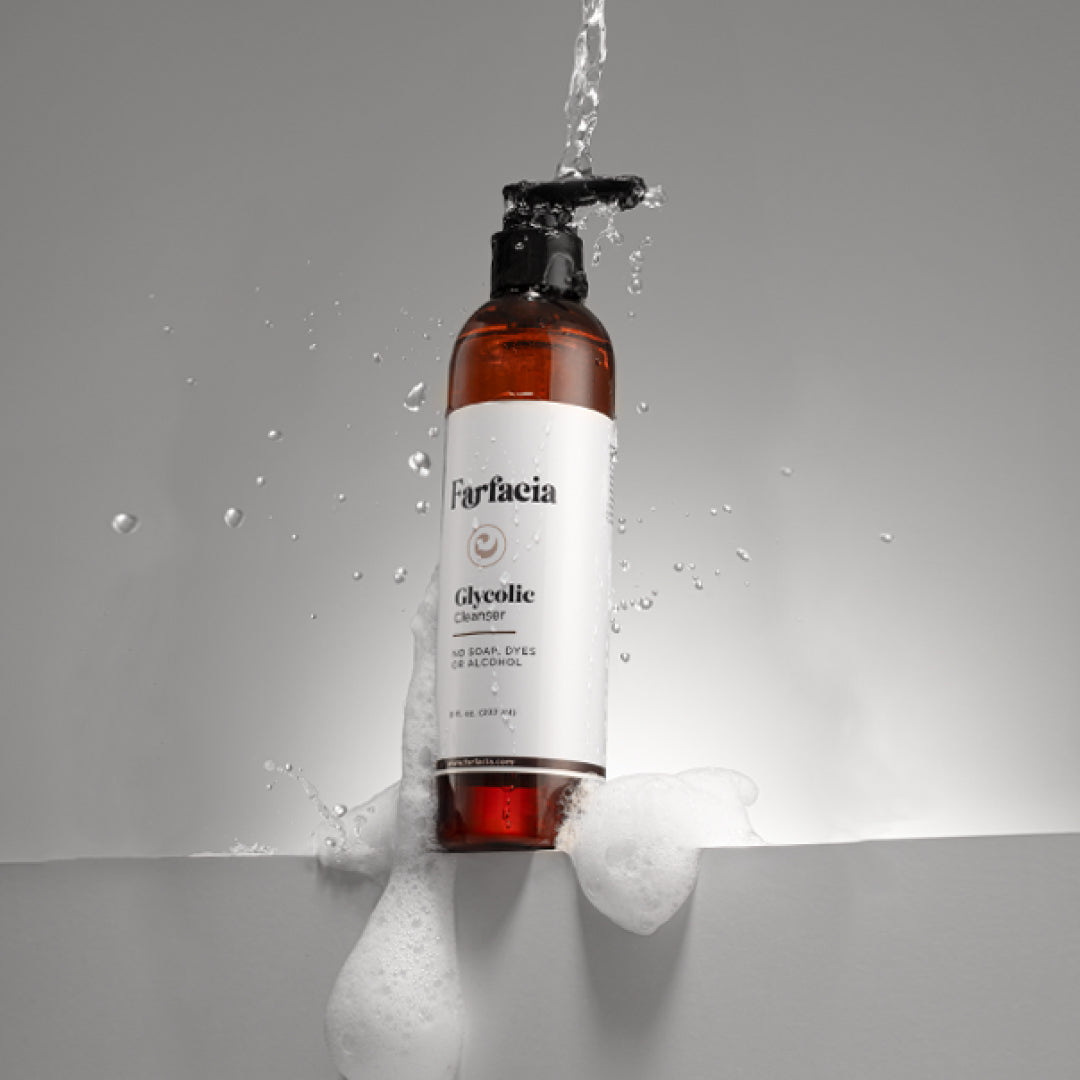
At Farfacia, our Glycolic Cleanser was formulated by a licensed pharmacist specifically to deliver effective exfoliation without compromising the skin barrier. This guide will show you exactly how to use it.
What Is Glycolic Acid and How Does It Work?
Glycolic acid is an alpha hydroxy acid (AHA) derived from sugarcane. It has the smallest molecular size of all AHAs, which means it penetrates the skin more effectively than lactic acid, mandelic acid, or malic acid.
At the cellular level, glycolic acid works by:
- Breaking down the bonds between dead skin cells on the surface of the skin, allowing them to shed more efficiently
- Stimulating collagen production in the dermis by triggering a mild wound-healing response
- Increasing cell turnover rate — encouraging fresher, younger skin cells to reach the surface faster
- Improving moisture retention by removing the buildup of dead cells that prevent moisturizers from penetrating effectively
The result is skin that is smoother, brighter, more even in tone, and better able to absorb the rest of your skincare routine.
Why People Experience Irritation — And How to Avoid It
Most glycolic acid irritation comes from four common mistakes:
Mistake 1: Starting too frequently Using glycolic acid every day from day one is the most common error. Your skin needs time to build tolerance. Start with every other day for the first two weeks, then increase to daily use once your skin has adjusted.
Mistake 2: Using it on broken or compromised skin Active breakouts, cuts, sunburn, or eczema patches are not suitable areas for glycolic acid application. Always apply to intact, healthy skin only.
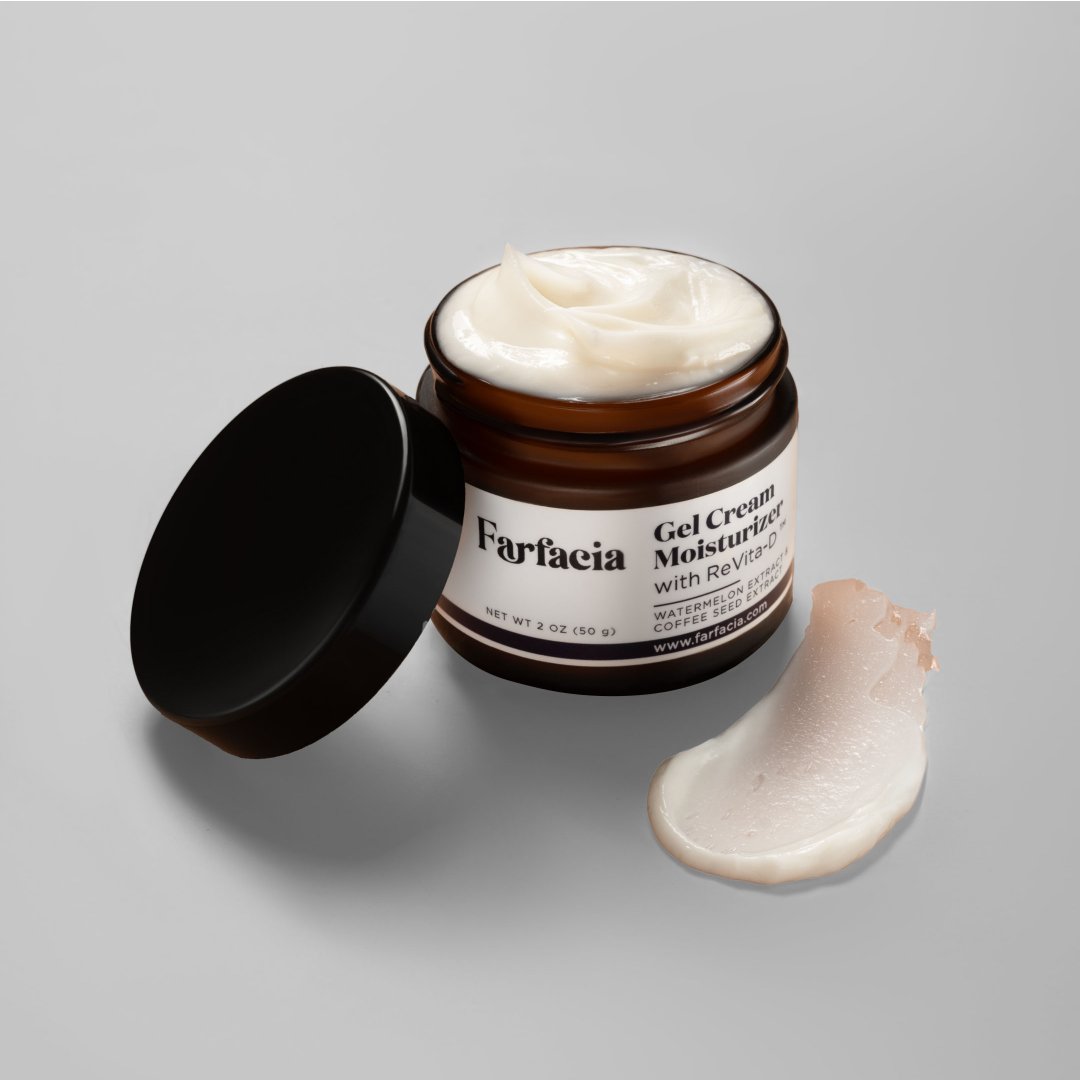
Mistake 3: Skipping moisturizer afterward Glycolic acid increases cell turnover, which temporarily increases transepidermal water loss. Following with a good moisturizer — like the Farfacia Gel Cream Moisturizer — is not optional. It is what keeps the skin barrier intact while the acid does its work.
Mistake 4: Skipping SPF in the morning Glycolic acid increases photosensitivity by removing the outermost layer of dead skin cells that provide a small amount of UV protection. Using it without SPF in your morning routine significantly increases your risk of sun damage and hyperpigmentation — the opposite of what you are trying to achieve.
Step-by-Step: How to Use the Farfacia Glycolic Cleanser
Morning Routine
- Wet your face with lukewarm water — not hot. Hot water opens pores aggressively and increases irritation risk with active ingredients.
- Apply a small amount of the Farfacia Glycolic Cleanser to your fingertips — about the size of a grape.
- Massage gently in circular motions for 30–60 seconds. Do not scrub. Let the chemistry do the work.
- Rinse thoroughly with lukewarm water. Ensure no cleanser residue remains around the hairline or jaw.
- Pat dry with a clean towel — do not rub.
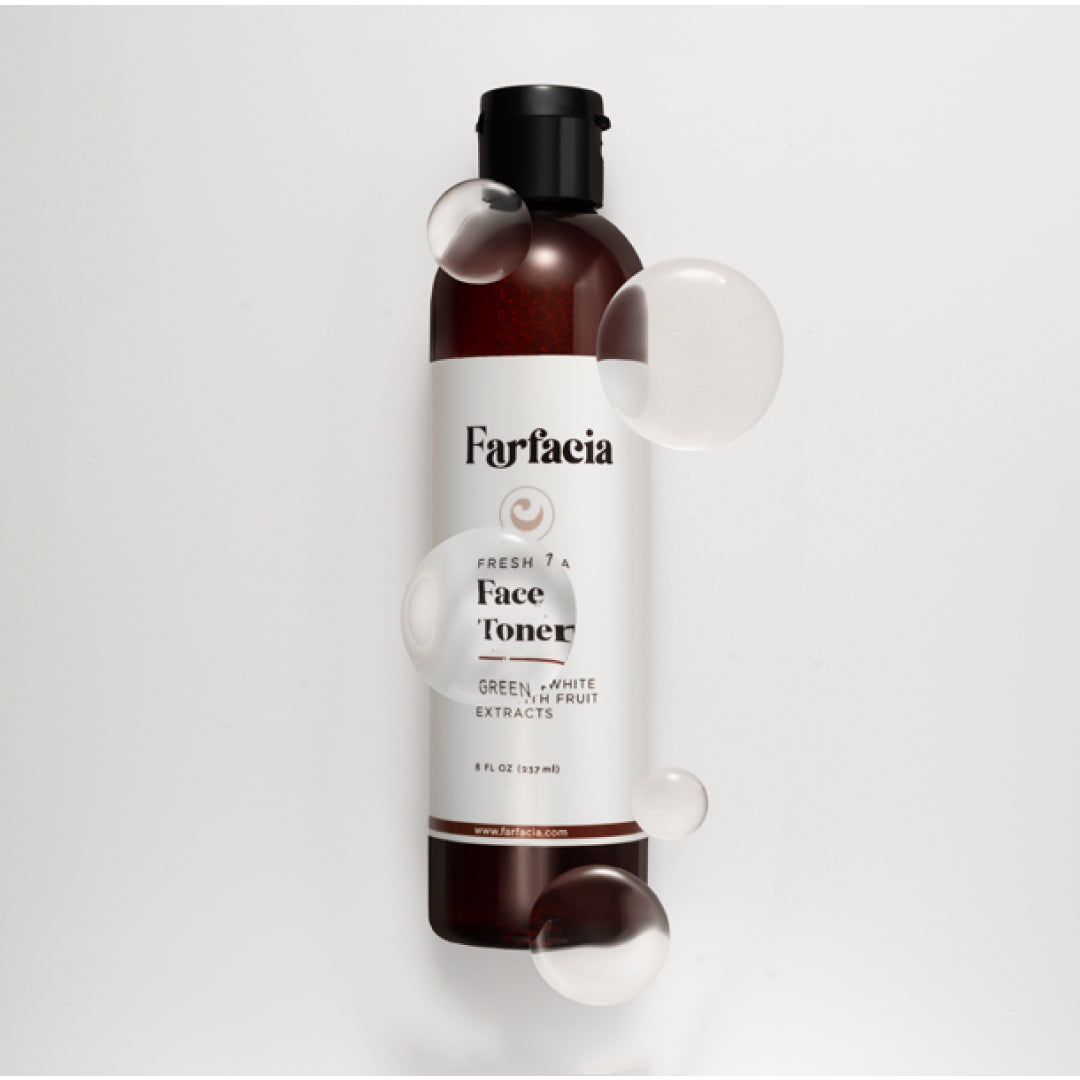
- Apply your Fresh Tea Face Toner while skin is still slightly damp.
- Apply your serum — the Niacinamide + Zinc Serum pairs exceptionally well after glycolic cleansing.
- Moisturize with the Gel Cream Moisturizer.
- Apply SPF 30 or higher. Non-negotiable on mornings when you use glycolic acid.
Evening Routine
- Wet face with lukewarm water.
- Apply and massage in the Glycolic Cleanser for 30–60 seconds.
- Rinse and pat dry.
- Apply toner.
- Apply serum.
- Moisturize.
No SPF needed in the evening — but do not skip the moisturizer.
How Often Should You Use It?
Week 1–2: Every other day. This allows your skin to build tolerance without triggering a reactive response.
Week 3–4: Daily use, morning or evening — whichever fits your routine better. Most people find morning use gives them a fresh, smooth base for the rest of their routine.
Long term: Daily use is appropriate for most skin types once tolerance is established. If you ever experience prolonged redness or sensitivity, scale back to every other day and ensure you are not skipping moisturizer or SPF.
Can You Use Glycolic Acid with Other Actives?
Yes — with some guidelines.
Safe to combine with glycolic acid:
- Niacinamide — actually helps repair the skin barrier that glycolic acid is working on. Use the Niacinamide + Zinc Serum after cleansing for a powerful combination.
- Hyaluronic acid — draws moisture into skin that glycolic acid has freshly exfoliated. Highly recommended.
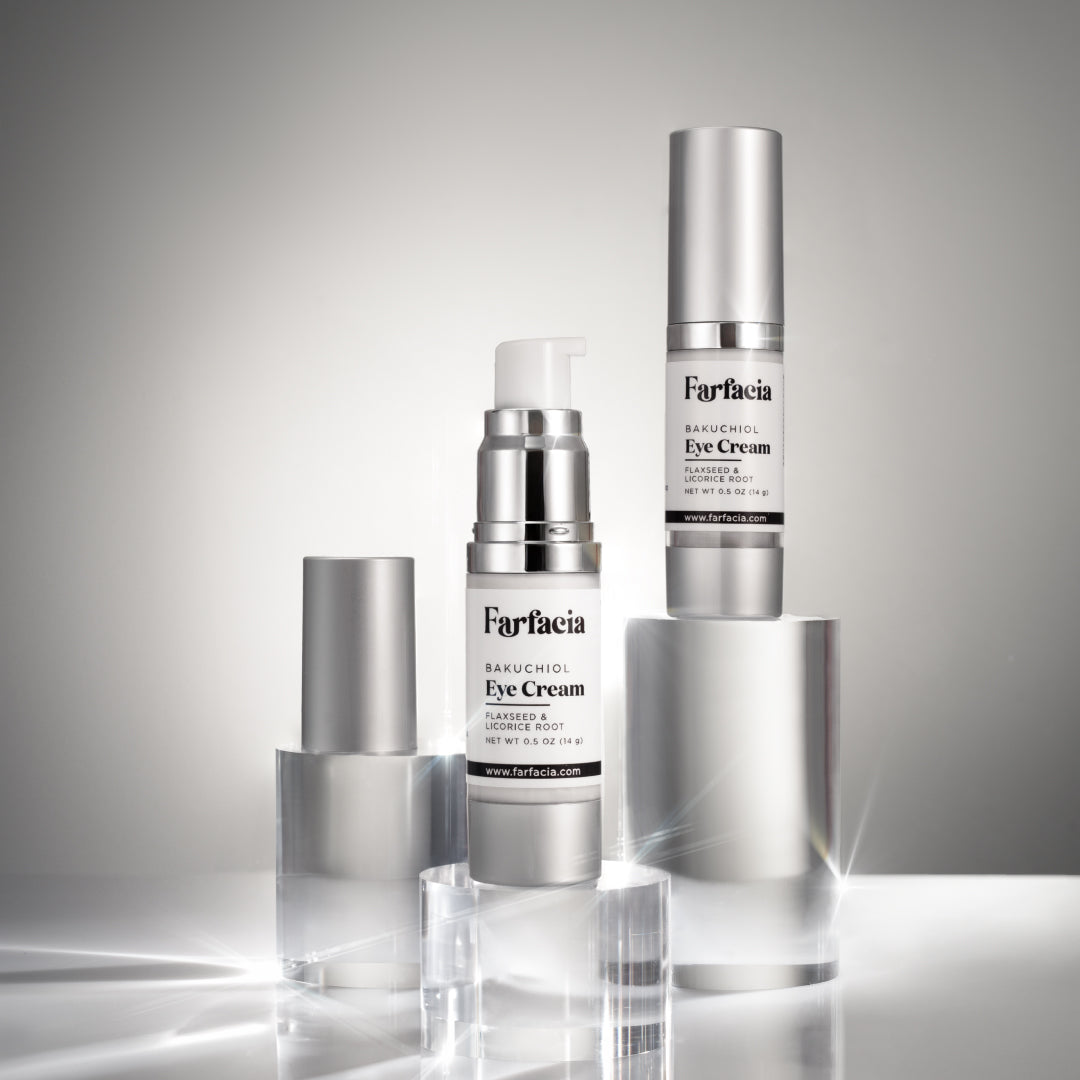
- Bakuchiol — a gentle retinol alternative that works well alongside AHAs without the irritation risk of combining glycolic acid with retinol.
Use with caution:
- Vitamin C — both are acidic. Using them in the same routine can cause irritation in sensitive skin. If you use both, apply Vitamin C in the morning and glycolic in the evening, or on alternating days.
- Retinol — combining retinol with glycolic acid significantly increases irritation risk. If you use both, always use them on alternating evenings, never together.
- Benzoyl peroxide — can deactivate glycolic acid and increase dryness. Avoid combining in the same routine.
What Results to Expect and When
Days 1–7: Skin feels smoother to the touch after cleansing. Makeup applies more evenly.
Weeks 2–3: Visible improvement in skin texture. Dullness begins to clear. Pores appear slightly smaller.
Weeks 4–6: Significant reduction in surface congestion. Dark spots from previous breakouts begin to fade. Skin tone becomes more even overall.
Months 2–3: Collagen stimulation effects become visible — skin appears firmer and more youthful. Continued improvement in hyperpigmentation.
Consistency is everything with glycolic acid. It is not an acute treatment — it is a long-term investment in your skin's health and appearance.
Who Should Use the Farfacia Glycolic Cleanser
The Farfacia Glycolic Cleanser is formulated for:
- Dull or congested skin that needs regular exfoliation to stay clear
- Oily and acne-prone skin — glycolic acid keeps pores clear and reduces the buildup that leads to breakouts
- Skin with hyperpigmentation or uneven tone — regular exfoliation is one of the most effective ways to fade dark spots over time
- Anyone looking to improve the effectiveness of their other skincare products — exfoliated skin absorbs serums and moisturizers significantly better
Not recommended for:
- Active eczema or rosacea flares
- Skin with open wounds or active severe acne
- Those currently using prescription retinoids — consult your pharmacist or dermatologist first
The Farfacia Formulation Standard
The Farfacia Glycolic Cleanser was developed by a licensed pharmacist who understood that the most common problem with glycolic acid products is not the ingredient itself — it is the formulation. Too high a concentration for daily use. Wrong pH. No barrier-supporting co-ingredients.
Our formula delivers effective exfoliation at a concentration optimized for daily use, in a pH range that maximizes efficacy without compromising barrier integrity. Alcohol-free. Dye-free. No synthetic fragrance.
That is what it means to have a pharmacist formulate your skincare — every decision is made on clinical evidence, not trend.
The Science of Niacinamide: Why 10% + Zinc Is the Best Combination for Oily Skin
Bakuchiol vs Retinol: Why This Natural Alternative Is Better for Sensitive Skin
Related Posts
