
The Science of Niacinamide: Why 10% + Zinc Is the Best Combination for Oily Skin
The Science of Niacinamide: Why 10% + Zinc Is the Best Combination for Oily Skin
If you have oily or acne-prone skin, you have probably heard about niacinamide. It is one of the most researched active ingredients in modern skincare — and for good reason. But what most brands don't tell you is that niacinamide works significantly better when paired with the right co-ingredient. Specifically, 1% Zinc PCA.
This is not a marketing claim. It is chemistry. And at Farfacia, we built our 10% Niacinamide + 1% Zinc Serum around exactly this science.
Here is what the research actually shows — and why this combination is the most effective thing you can put on oily skin.
What Is Niacinamide?
Niacinamide is a form of Vitamin B3. It is water-soluble, stable across a wide pH range, and one of the most clinically validated skincare actives available. Unlike many trendy ingredients, niacinamide has decades of peer-reviewed research behind it.
At the cellular level, niacinamide works by:
- Inhibiting the transfer of melanosomes — the packets of pigment that cause dark spots and uneven skin tone
- Strengthening the skin barrier by increasing ceramide and fatty acid production in the outer skin layer
- Regulating sebum production by acting on the sebaceous glands directly
- Reducing inflammation through suppression of inflammatory cytokines — which is why it visibly calms redness and irritation
At 10%, niacinamide delivers all of these benefits at a clinically meaningful concentration. Lower concentrations — the 2% and 5% formulas common in drugstore products — produce weaker results, particularly for sebum regulation and pigmentation.
What Is Zinc PCA?
Zinc PCA is a compound formed by binding zinc with pyrrolidone carboxylic acid, a naturally occurring amino acid derivative found in skin. This binding makes zinc significantly more bioavailable than standard zinc salts, meaning your skin can actually use it rather than just sitting on top of it.
Zinc PCA works through three primary mechanisms:
1. Sebum regulation at the source Zinc PCA directly inhibits 5-alpha reductase, the enzyme responsible for converting testosterone to dihydrotestosterone (DHT) in the skin. DHT is one of the primary drivers of excess sebum production. By blocking this conversion, Zinc PCA reduces oil production at the hormonal level — not just on the surface.
2. Antibacterial activity Zinc has natural antimicrobial properties that reduce the population of Cutibacterium acnes — the bacteria primarily responsible for inflammatory acne. This is a different mechanism than niacinamide's anti-inflammatory action, which is why combining them addresses acne from two directions simultaneously.
3. Wound healing and skin repair Zinc is a cofactor in over 300 enzymatic reactions in the body, many of which are involved in tissue repair. This is why zinc-containing formulas consistently show improved healing of post-acne marks and skin damage.
Why the Combination Is More Effective Than Either Ingredient Alone
This is the part most skincare brands skip — the actual pharmacology of why these two ingredients work better together.
Complementary mechanisms of action
Niacinamide reduces sebum through keratinocyte regulation and barrier strengthening. Zinc PCA reduces sebum through 5-alpha reductase inhibition. These are completely different pathways — which means using both creates a compounding effect on oil control that neither achieves alone.
Synergistic anti-inflammatory effect
Niacinamide reduces pro-inflammatory cytokines. Zinc reduces bacterial load. Together, they address both the inflammation and the bacteria that drive acne — a dual-action approach that single-ingredient serums cannot replicate.
Barrier support under stress
Oily skin is often paradoxically dehydrated — the skin overproduces oil as a compensatory response to a damaged or weakened barrier. Niacinamide directly rebuilds the barrier through ceramide synthesis. Zinc PCA supports the healing process. The result is skin that is less oily not because it is stripped, but because it no longer needs to overproduce oil to protect itself.
What to Expect When You Use It
Week 1–2: Pores appear slightly tighter. Skin feels less greasy by midday. Some users notice reduced redness within the first few days.
Week 3–4: Sebum production measurably decreases. Existing blemishes begin to heal more quickly. Skin tone starts to even out.
Week 6–8: Significant reduction in breakout frequency. Dark spots from previous blemishes visibly fade. Skin texture becomes smoother and more consistent.
These results require consistent daily use. Niacinamide and Zinc PCA are not acute-acting ingredients — they work by gradually retraining your skin's behavior at a cellular level.
How to Use the Farfacia Niacinamide + Zinc Serum
The Farfacia 10% Niacinamide + 1% Zinc Serum is designed for both morning and evening use.
Morning routine:
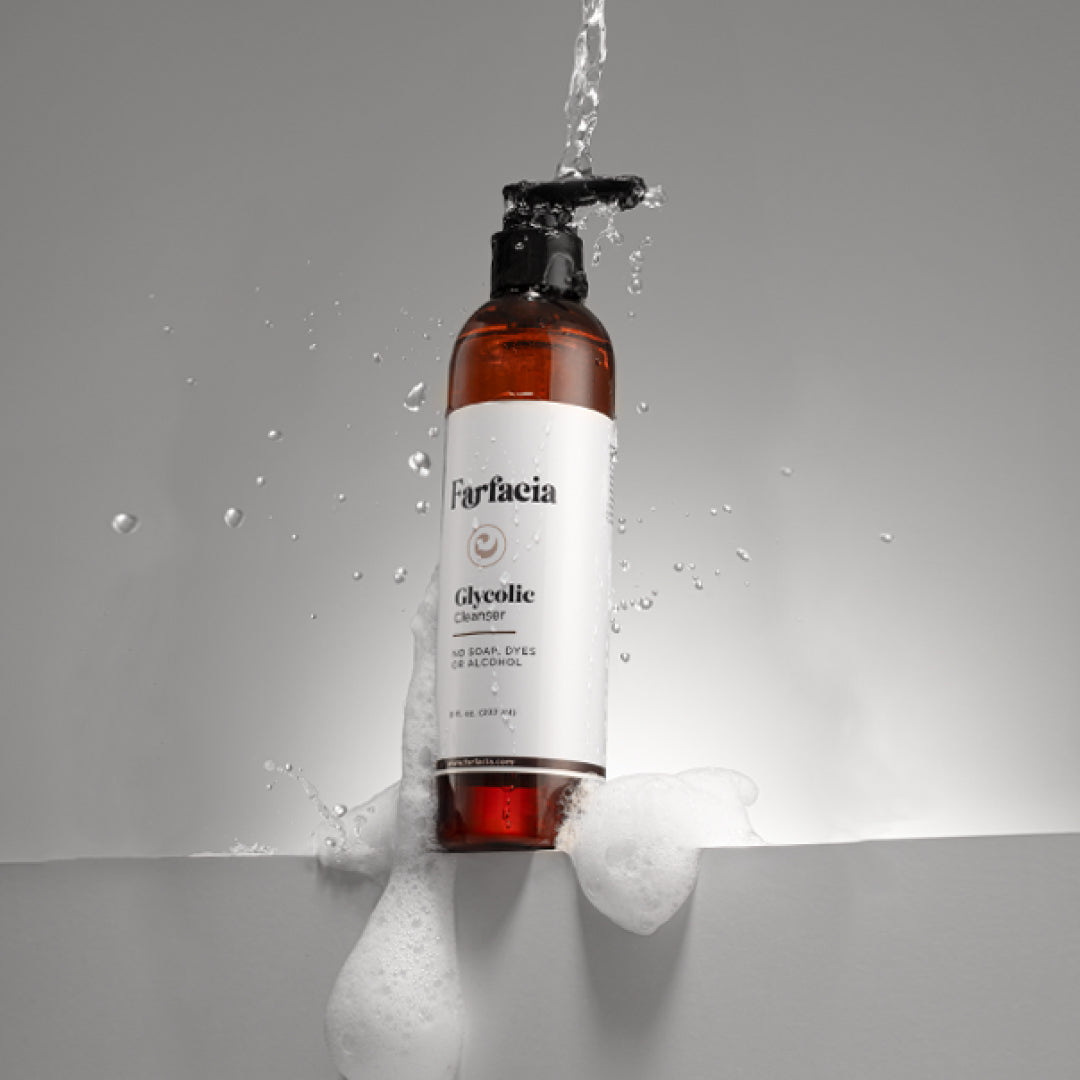
- Cleanse with the Farfacia Glycolic Cleanser
- Apply 3–4 drops of Niacinamide + Zinc Serum to clean, slightly damp skin
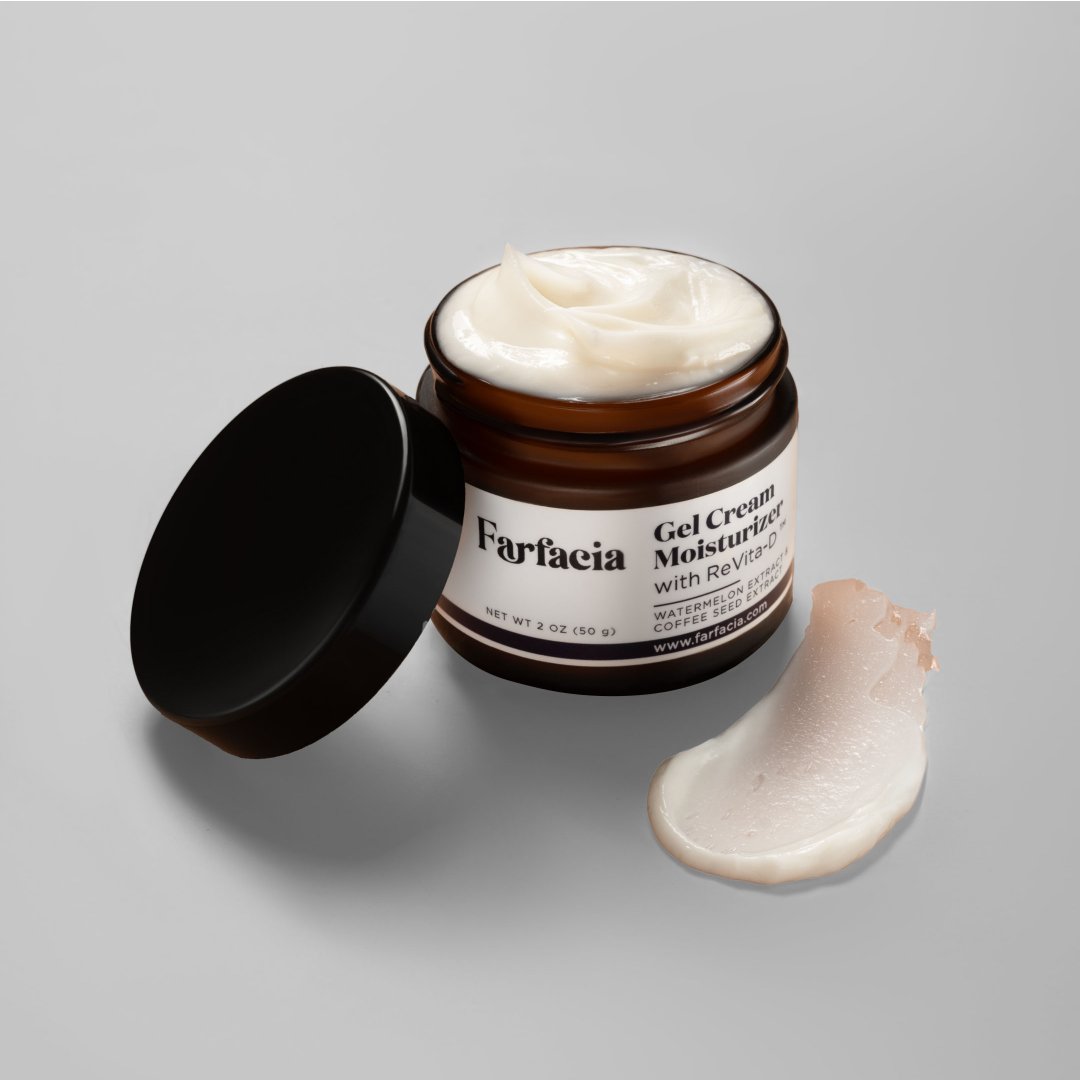
- Follow with the Farfacia Gel Cream Moisturizer
- Apply SPF 30 or higher
Evening routine:
- Cleanse
- Apply Niacinamide + Zinc Serum
- Moisturize
A note on layering: Niacinamide is one of the most compatible active ingredients in skincare. It works well alongside glycolic acid, Vitamin C, and bakuchiol without causing irritation or instability — making it easy to incorporate into any existing routine.
Who Should Use It
The Farfacia Niacinamide + Zinc Serum is particularly effective for:
- Oily and combination skin — addresses excess sebum at the root cause
- Acne-prone skin — reduces bacteria, inflammation, and the hormonal drivers of breakouts
- Skin with hyperpigmentation or post-acne marks — niacinamide is one of the most evidence-backed ingredients for fading dark spots
- Enlarged pores — consistent use visibly tightens and minimizes pore appearance
- Sensitive skin prone to redness — the anti-inflammatory action of both ingredients makes this formula exceptionally well-tolerated
The Farfacia Difference
Most niacinamide serums on the market are formulated by marketing teams working backward from a trend. The Farfacia 10% Niacinamide + 1% Zinc Serum was formulated by a licensed pharmacist working forward from the science.
Every concentration, every co-ingredient, every delivery system in our formula was chosen because the clinical evidence supports it — not because it tests well in a focus group.
That is what pharmacist-crafted means. And that is the standard every Farfacia product is held to.
How to Build a Skincare Routine That Actually Works
How to Use Glycolic Acid Cleanser Without Irritating Your Skin
Related Posts
